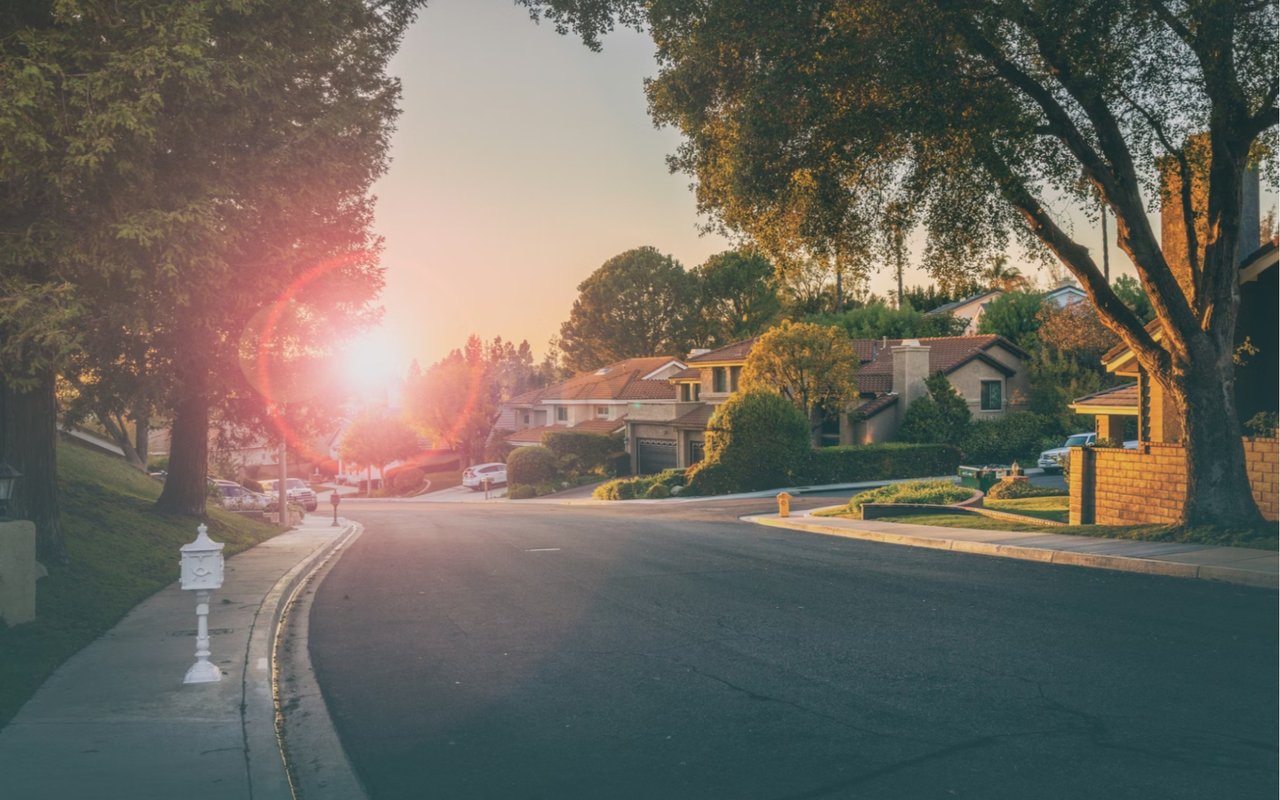
When evaluating a home’s potential, buyers often look beyond square footage and interior finishes. Neighborhood context plays a measurable role in pricing and long-term appreciation. Did you know that about four-in-ten households (42%) would prefer a community where “houses are smaller and closer to each other, but schools, stores, and restaurants are within walking distance.”?” In competitive markets such as Palo Alto, CA, real estate, neighborhood amenities are among the most influential real estate attractiveness factors and often serve as key property differentiators. Below is a closer look at amenities that increase home value and why they continue to function as appreciation-driving amenities for both buyers and sellers.
Fast Facts about Amenities that Increase Home Value
- Homes located near well-maintained parks or recreational open space often experience price increases ranging from the high single digits to nearly one-fifth above comparable properties without access (source).
- Walkable access to schools, retail, green spaces, and dining has been shown to add several thousand to tens of thousands of dollars to a home’s market value, based on urban planning research (source).
- Large-scale sports or entertainment venues can positively influence surrounding property prices within several miles, producing modest but measurable gains (source).
- Streets lined with established trees tend to support higher valuations, with studies showing an average increase of a few percentage points per home (source).
- Only about 35% of children aged 0-17 live in neighborhoods that provide consistent access to parks, community centers, libraries, and pedestrian infrastructure, making such areas more desirable to many buyers.
7 Neighborhood Amenities that Increase Home Value
Pedestrian-Friendly Community Design
Walkability consistently ranks among the most in-demand home attributes in urban and suburban markets. Neighborhoods that allow residents to reach daily necessities on foot reduce reliance on cars and support long-term lifestyle flexibility. In Palo Alto, pedestrian-oriented design is a strong home selling point, particularly for buyers seeking value-added features tied to convenience.
From a valuation standpoint, walkability is a clear example of ROI-driven property upgrades at the neighborhood level. Sidewalks, safe crossings, and mixed-use zoning are considered desirable neighborhood features that support pricing stability even during slower market cycles. These elements also function as real estate value boosters when paired with thoughtful property enhancements inside the home.
From a valuation standpoint, walkability is a clear example of ROI-driven property upgrades at the neighborhood level. Sidewalks, safe crossings, and mixed-use zoning are considered desirable neighborhood features that support pricing stability even during slower market cycles. These elements also function as real estate value boosters when paired with thoughtful property enhancements inside the home.
Established Tree Canopies and Landscaping
Mature trees are more than aesthetic additions. They are premium property additions that contribute to environmental comfort, street appeal, and buyer perception. Research consistently links tree-lined streets with higher resale values, positioning natural landscaping as one of the quieter but reliable property value enhancers.
In markets such as Palo Alto, established greenery also reflects long-term neighborhood planning, which appeals to buyers focused on stability. While homeowners may invest in home upgrades inside the property, the presence of a mature canopy acts as a built-in home improvement factor that cannot be easily replicated.
In markets such as Palo Alto, established greenery also reflects long-term neighborhood planning, which appeals to buyers focused on stability. While homeowners may invest in home upgrades inside the property, the presence of a mature canopy acts as a built-in home improvement factor that cannot be easily replicated.
Access to Retail and Daily Essentials
Proximity to grocery stores, pharmacies, and service-oriented retail is one of the most practical real estate upscale features a neighborhood can offer. Buyers increasingly evaluate how quickly daily needs can be met, especially in high-cost markets where time efficiency matters.
This type of access is often categorized as a high-return home addition at the community level. Homes near essential retail tend to attract broader buyer interest, reinforcing their role as investment-boosting amenities. When combined with thoughtful home upgrades, nearby retail access strengthens overall market positioning.
This type of access is often categorized as a high-return home addition at the community level. Homes near essential retail tend to attract broader buyer interest, reinforcing their role as investment-boosting amenities. When combined with thoughtful home upgrades, nearby retail access strengthens overall market positioning.
Parks, Open Space, and Recreation Areas
Public parks and shared recreational spaces are among the most visible amenities that increase home value. These areas support outdoor activity, informal gatherings, and general neighborhood appeal without requiring private maintenance.
From a pricing perspective, parks act as appreciation-driving amenities that elevate surrounding streets. They are also considered desirable home extras for buyers comparing similar properties. In Palo Alto, limited land availability further amplifies the value of accessible open space, making these areas significant real estate attractiveness factors.
From a pricing perspective, parks act as appreciation-driving amenities that elevate surrounding streets. They are also considered desirable home extras for buyers comparing similar properties. In Palo Alto, limited land availability further amplifies the value of accessible open space, making these areas significant real estate attractiveness factors.
Highly Regarded School Access
School quality remains one of the most influential home-selling points for many buyers, regardless of household size. Even purchasers without children often consider school ratings due to their impact on resale value.
Highly rated schools function as key property differentiators and are often cited as long-term property enhancements. In competitive regions, school access can outweigh certain interior luxury inclusions, reinforcing its role as a core investment consideration within Palo Alto, CA real estate.
Highly rated schools function as key property differentiators and are often cited as long-term property enhancements. In competitive regions, school access can outweigh certain interior luxury inclusions, reinforcing its role as a core investment consideration within Palo Alto, CA real estate.
Community Programming and Shared Activities
Neighborhoods that support organized events, farmers' markets, or local gatherings tend to foster stronger buyer interest. While these offerings may seem intangible, they contribute to perceived livability and long-term demand.
From a valuation standpoint, active community programming is considered one of the more subtle but effective real estate value boosters. These activities support neighborhood identity and can influence buyer decisions when properties are otherwise comparable.
From a valuation standpoint, active community programming is considered one of the more subtle but effective real estate value boosters. These activities support neighborhood identity and can influence buyer decisions when properties are otherwise comparable.
Planned Infrastructure and Future Improvements
Forward-looking buyers often assess what is coming next. Planned transportation upgrades, new parks, or commercial developments can influence purchasing decisions years in advance.
Future-oriented infrastructure is frequently categorized among upscale home elements at the neighborhood scale. These improvements act as premium property additions that support appreciation over time, particularly when aligned with broader city planning goals.
Future-oriented infrastructure is frequently categorized among upscale home elements at the neighborhood scale. These improvements act as premium property additions that support appreciation over time, particularly when aligned with broader city planning goals.
Why Amenities Matter in Palo Alto, CA Real Estate
In a market as competitive as Palo Alto, neighborhood context can be as important as interior finishes. Amenities that increase home value help properties stand out, attract qualified buyers, and support pricing resilience. From walkability to green space, these features function as long-term property value enhancers that complement in-home upgrades and design choices.
About Chris Iverson
Chris Iverson offers nearly two decades of hands-on experience and a detailed understanding of the local real estate landscape. His approach is grounded in data analysis, using market statistics and economic trends to clearly explain how values differ across neighborhoods and smaller market segments. Alongside this analytical foundation, Chris emphasizes the narrative of each property, ensuring that its distinctive qualities connect with buyers on a practical and emotional level to support strong pricing outcomes.
Through an extensive international network with ties to Silicon Valley and global markets, Chris positions listings in front of qualified buyers worldwide. This reach allows him to design marketing strategies that align with each client’s goals, whether that means broad exposure or a more private sales process.
If you're looking to buy or sell a home or have any questions about the Palo Alto, CA real estate market, contact Chris Iverson today.
Through an extensive international network with ties to Silicon Valley and global markets, Chris positions listings in front of qualified buyers worldwide. This reach allows him to design marketing strategies that align with each client’s goals, whether that means broad exposure or a more private sales process.
If you're looking to buy or sell a home or have any questions about the Palo Alto, CA real estate market, contact Chris Iverson today.