By Chris Iverson
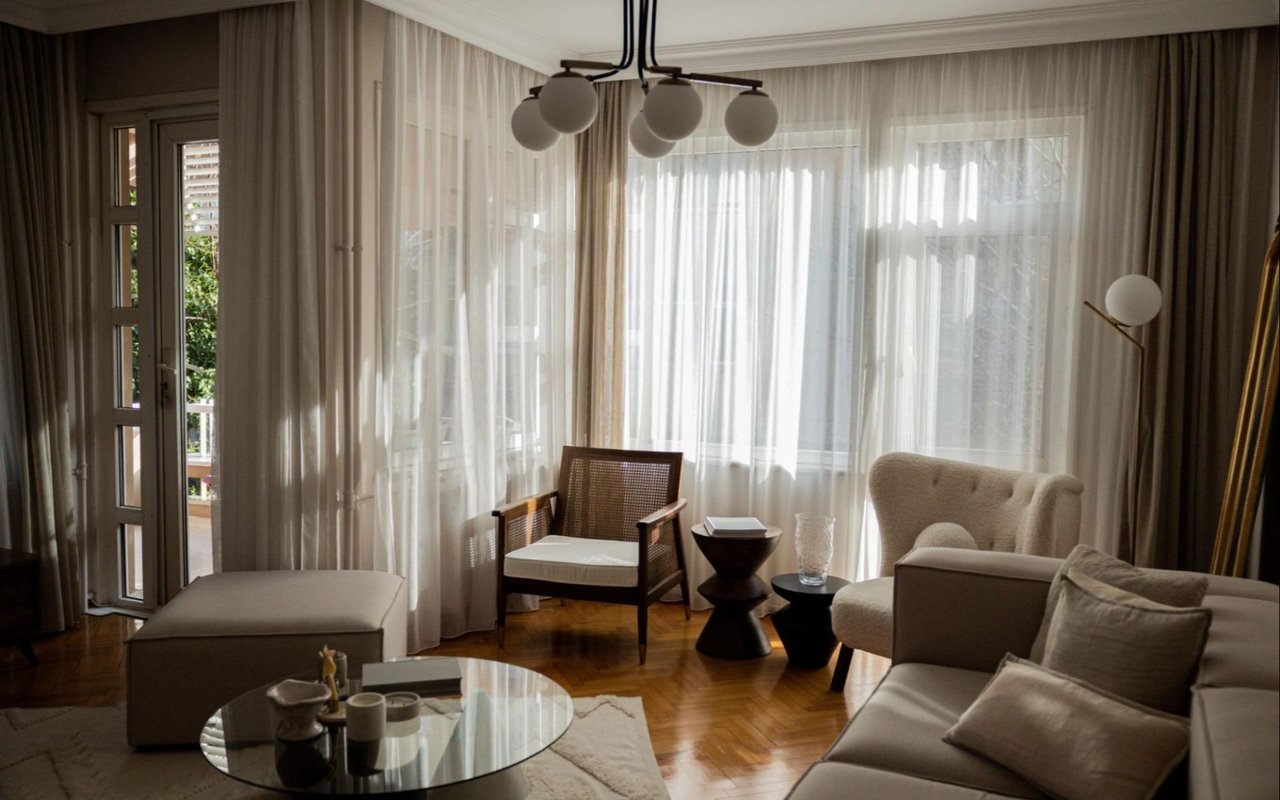
After nearly two decades of working in luxury real estate across Woodside, Portola Valley, Atherton, Menlo Park, and Palo Alto, I have watched buyers make decisions that surprised even them in the moment. A buyer who had insisted on a specific floor plan will stand in a sun-drenched great room and feel something shift. Natural light does that. It changes how a home feels at a level that is difficult to articulate but impossible to ignore — and on the Peninsula, where the right orientation and window placement can capture the morning light over the hills or afternoon glow through coast live oaks, it is one of the most consistently powerful factors I track in how quickly and how strongly a home sells.
Key Takeaways
- Homes with wellness features including abundant natural light command resale premiums of 10 to 25% above comparable properties, according to the Global Wellness Institute
- Natural light reduces stress, improves mood, and supports healthy sleep cycles — making it a functional health asset, not just an aesthetic one
- On the Peninsula, orientation, window placement, and ceiling height all determine how effectively natural light moves through a home
- In Palo Alto and Woodside, light-filled properties consistently outperform in showing activity and generate more competitive offer situations
What Natural Light Actually Does for You
The science behind natural light and human wellbeing is robust and has been accumulating for decades. Exposure to natural daylight regulates the body's circadian rhythms — the internal clock that governs sleep-wake cycles, hormone release, mood, and cognitive performance. Homes with abundant natural light support healthier sleep, reduce anxiety, improve concentration, and help regulate energy levels throughout the day. These are not soft wellness claims. They are documented physiological responses to an environmental variable that architects and designers have been accounting for in high-performance buildings for years.
For buyers who work from home — a significant portion of the Peninsula's population, particularly in tech — the quality of light in a home office is a daily performance factor. A room that receives consistent natural light throughout the working day supports alertness and reduces eye strain in ways that artificial lighting cannot replicate. At a time when home offices have become permanent fixtures in how buyers evaluate properties, this consideration has moved from a nice-to-have to a meaningful differentiator in the Peninsula market.
For buyers who work from home — a significant portion of the Peninsula's population, particularly in tech — the quality of light in a home office is a daily performance factor. A room that receives consistent natural light throughout the working day supports alertness and reduces eye strain in ways that artificial lighting cannot replicate. At a time when home offices have become permanent fixtures in how buyers evaluate properties, this consideration has moved from a nice-to-have to a meaningful differentiator in the Peninsula market.
The documented benefits of natural light in residential settings:
- Circadian regulation: consistent natural daylight exposure supports healthy sleep cycles and hormone balance
- Mood and stress reduction: light-filled spaces measurably lower stress responses and support emotional wellbeing
- Cognitive performance: natural light improves focus and reduces fatigue — particularly relevant for home office use
- Vitamin D synthesis: direct sunlight exposure supports immune function and bone health in ways indoor lighting cannot replicate
What Natural Light Means for Home Value on the Peninsula
In the Peninsula's luxury market, natural light is a genuine value driver — not just an aesthetic preference. Wellness-oriented homes with biophilic design features including abundant natural light are commanding resale premiums of 10 to 25% above comparable properties without those features, according to research from the Global Wellness Institute. That range is consistent with what I observe in this market: a home with ideal solar orientation, high ceilings, and well-placed windows performs meaningfully better than one with similar square footage and finish quality that lacks those qualities.
In Palo Alto, where the median home price sits around $3.5 million and 28% of all homes sold in 2025 closed above $5 million, the difference of even 10% in value represents hundreds of thousands of dollars. In Woodside, where the market is driven by large estates on significant lots, the relationship between outdoor connection and interior light — through glass walls, courtyards, and strategic window placement — is often the single characteristic that elevates a property from compelling to exceptional. Buyers at this level are buying a quality of daily life, not just a set of specifications.
In Palo Alto, where the median home price sits around $3.5 million and 28% of all homes sold in 2025 closed above $5 million, the difference of even 10% in value represents hundreds of thousands of dollars. In Woodside, where the market is driven by large estates on significant lots, the relationship between outdoor connection and interior light — through glass walls, courtyards, and strategic window placement — is often the single characteristic that elevates a property from compelling to exceptional. Buyers at this level are buying a quality of daily life, not just a set of specifications.
How natural light affects buyer behavior and market outcomes:
- Light-filled homes generate more showing interest and longer visits — buyers linger in spaces that feel good
- Properties with ideal orientation and window placement receive more competitive offers in the Peninsula market
- Natural light is one of the features buyers most consistently mention in feedback after showings — its absence is equally noted
- Wellness-certified homes with documented light and biophilic design features are a growing segment of the luxury market nationally
How to Evaluate Natural Light When Buying on the Peninsula
Not all "bright" homes are created equal, and buyers benefit from thinking about natural light systematically rather than just impressionistically. A few specific factors determine how effectively a home captures and distributes light across its daily and seasonal cycles.
Orientation is the most fundamental. South-facing windows capture the most consistent daylight across all seasons in Northern California. East-facing orientation brings morning light — energizing, clear, and particularly valuable in breakfast rooms, kitchens, and home offices. West-facing rooms receive afternoon and evening light, which is warm and beautiful but can create heat gain challenges in summer. North-facing windows provide consistent, diffuse light without direct sun — useful for studios and work spaces requiring glare-free illumination. The ideal home captures a combination of these, with primary living areas oriented toward consistent daylight and bedrooms positioned for appropriate light at the times they are used.
Ceiling height, window-to-wall ratio, and the presence of skylights or clerestory windows all affect how deeply light penetrates into a room. An Eichler with its signature floor-to-ceiling glass walls and central atrium distributes light in ways that smaller or differently placed windows cannot. A contemporary estate with disappearing glass walls to an outdoor courtyard extends daylight into the heart of the home all day. These are design features worth evaluating carefully during a showing.
Orientation is the most fundamental. South-facing windows capture the most consistent daylight across all seasons in Northern California. East-facing orientation brings morning light — energizing, clear, and particularly valuable in breakfast rooms, kitchens, and home offices. West-facing rooms receive afternoon and evening light, which is warm and beautiful but can create heat gain challenges in summer. North-facing windows provide consistent, diffuse light without direct sun — useful for studios and work spaces requiring glare-free illumination. The ideal home captures a combination of these, with primary living areas oriented toward consistent daylight and bedrooms positioned for appropriate light at the times they are used.
Ceiling height, window-to-wall ratio, and the presence of skylights or clerestory windows all affect how deeply light penetrates into a room. An Eichler with its signature floor-to-ceiling glass walls and central atrium distributes light in ways that smaller or differently placed windows cannot. A contemporary estate with disappearing glass walls to an outdoor courtyard extends daylight into the heart of the home all day. These are design features worth evaluating carefully during a showing.
What to look for when evaluating natural light in a Peninsula home:
- Visit at different times of day — a home that feels bright at 10 AM may feel dim by 3 PM depending on orientation
- Note the window-to-wall ratio in primary living spaces — more glass is not always better, but strategic placement matters
- Check ceiling heights — taller ceilings allow light to travel deeper into rooms and create a more expansive feel
- Ask about skylights, clerestory windows, and interior courtyards — these can dramatically change a home's light environment
Natural Light as a Design Opportunity
For homeowners and sellers preparing a property for the Peninsula market, natural light is also a renovation lens. Removing walls that block light from moving through a floor plan, adding skylights above stairwells or in interior rooms, replacing solid doors with glass-paneled versions, and resizing or repositioning windows in a remodel all increase a home's light quality in ways that buyers consistently respond to.
The 2025 Houzz Bathroom Trends Study noted that one in four homeowners now use their primary bathroom for daily relaxation — driving investments in dimmable natural light-optimized lighting and spa-oriented window treatments that preserve privacy while maximizing daylight. In Peninsula luxury properties, this translates to primary suite bath renovations where the relationship between natural light, sightlines to gardens or hills, and material choice all work together. When a primary bath captures morning light over a redwood grove, it sells the experience of living in the home in a way that no listing description can fully capture.
The 2025 Houzz Bathroom Trends Study noted that one in four homeowners now use their primary bathroom for daily relaxation — driving investments in dimmable natural light-optimized lighting and spa-oriented window treatments that preserve privacy while maximizing daylight. In Peninsula luxury properties, this translates to primary suite bath renovations where the relationship between natural light, sightlines to gardens or hills, and material choice all work together. When a primary bath captures morning light over a redwood grove, it sells the experience of living in the home in a way that no listing description can fully capture.
FAQs
Does natural light really add measurable value to a home in the Peninsula market?
Yes — and the evidence is consistent both in academic wellness research and in what I observe in this market. Homes with abundant natural light and biophilic design features attract stronger buyer interest, generate more competitive offers, and appraise at premiums relative to comparable properties that lack those qualities. The Global Wellness Institute has documented resale premiums of 10 to 25% for wellness-oriented homes, and that range is consistent with what I see across Woodside, Portola Valley, and Palo Alto.
Which architectural styles on the Peninsula are best suited for natural light?
Mid-century modern homes — particularly Eichlers, which have the largest concentration in Palo Alto — were designed around natural light as a core principle. Their floor-to-ceiling glass walls, central atriums, and indoor-outdoor integration are unmatched for light quality. Contemporary new construction on the Peninsula also typically prioritizes natural light through large expanses of glazing and disappearing walls. Craftsman homes can have excellent light in well-sited properties but may require renovation to open up their more compartmentalized floor plans.
What can I do to improve natural light in my current home before listing it?
The most impactful changes are architectural: removing interior walls that block light from moving through the main floor, adding skylights in dark rooms or hallways, and increasing window openings during a kitchen or bath renovation. Short of structural changes, painting interiors in light, warm-white tones, using sheer window treatments instead of heavy curtains, and eliminating oversized furniture that blocks light from reaching walls all make a meaningful difference in how bright a home feels to buyers walking through it.
Find a Light-Filled Home on the Peninsula With Chris Iverson
Natural light is one of the qualities I look for first in every property I evaluate — both as a buyer's advocate and as a listing agent thinking about what drives value. If you are looking for a home that truly supports the way you live, or preparing to sell a property that deserves the right buyer, I would love to be your guide.
Reach out to me, learn more about my work across Woodside, Portola Valley, Palo Alto, and the Peninsula and let's start a conversation.
Reach out to me, learn more about my work across Woodside, Portola Valley, Palo Alto, and the Peninsula and let's start a conversation.