Stanford Campus
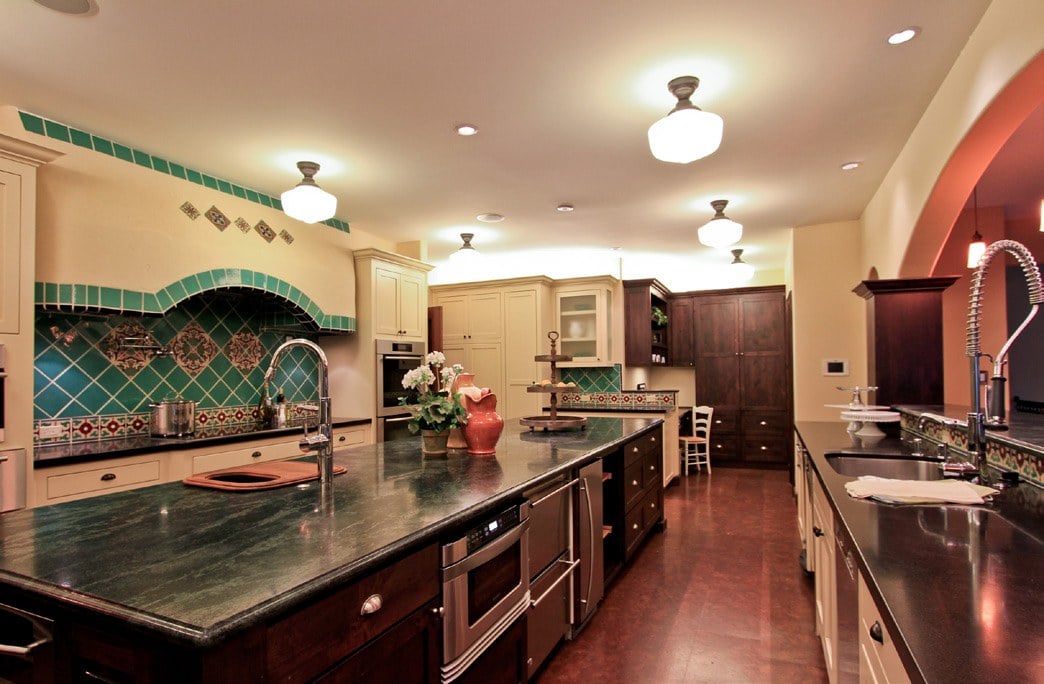
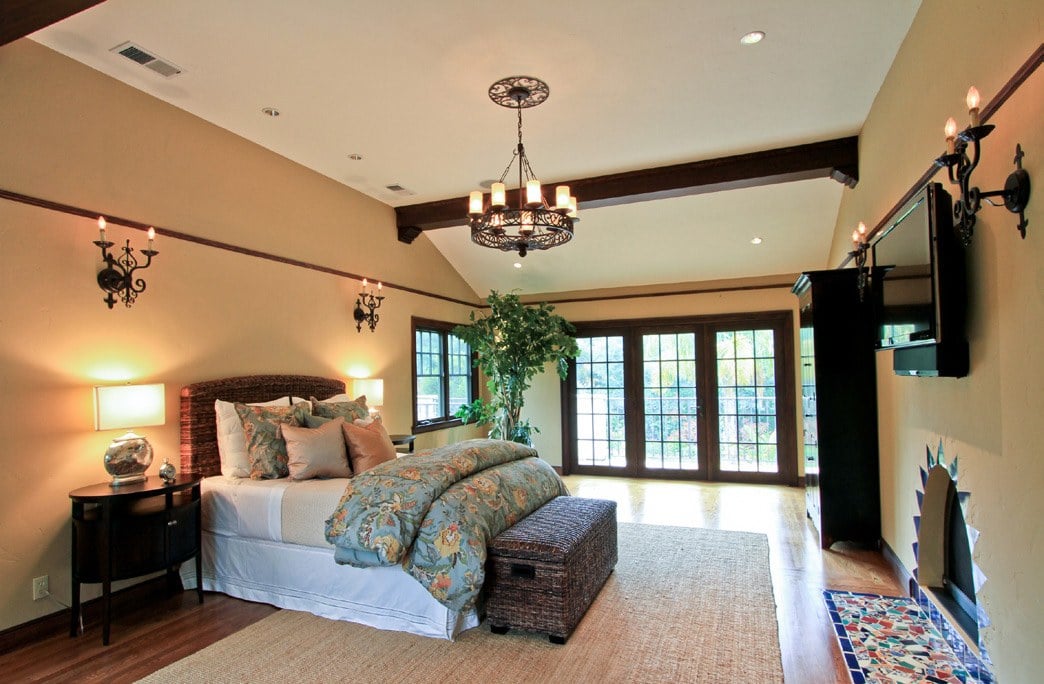
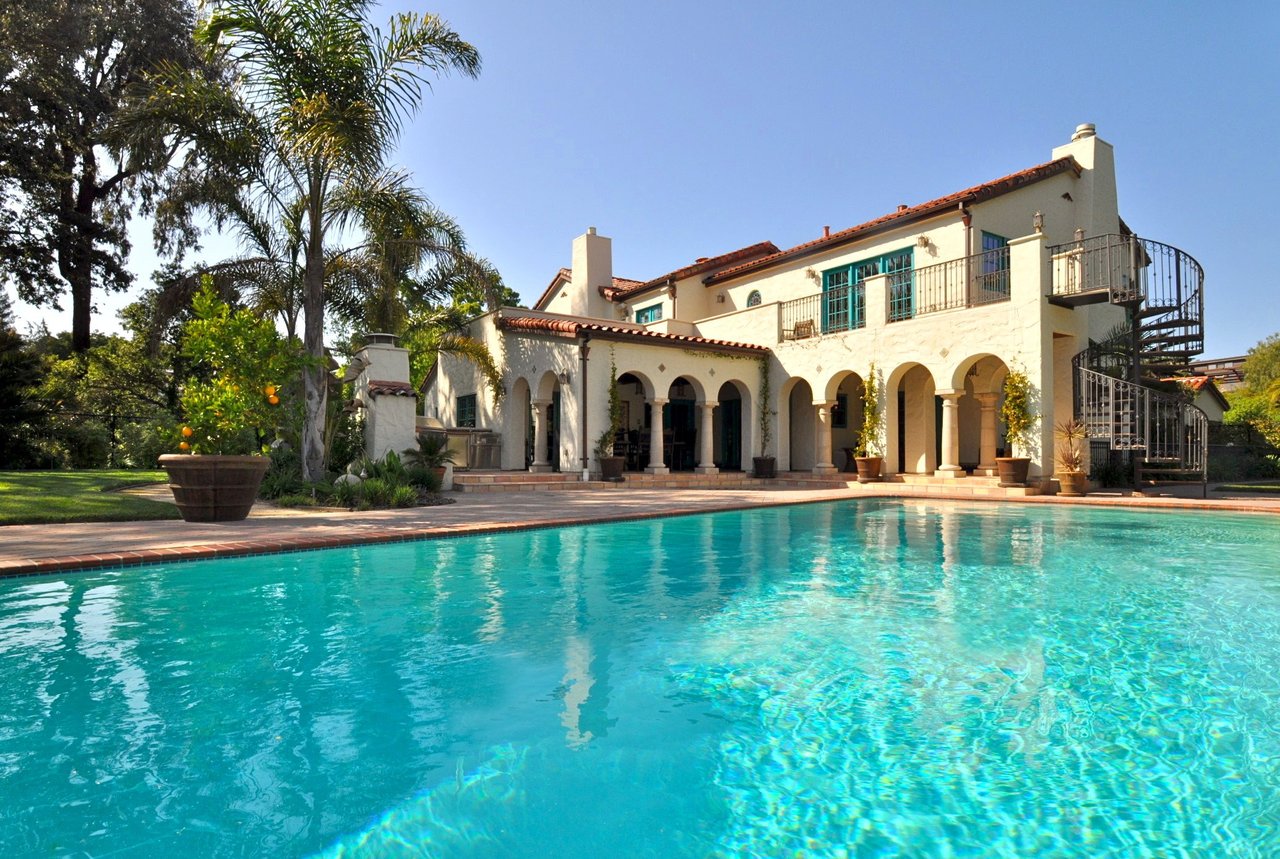
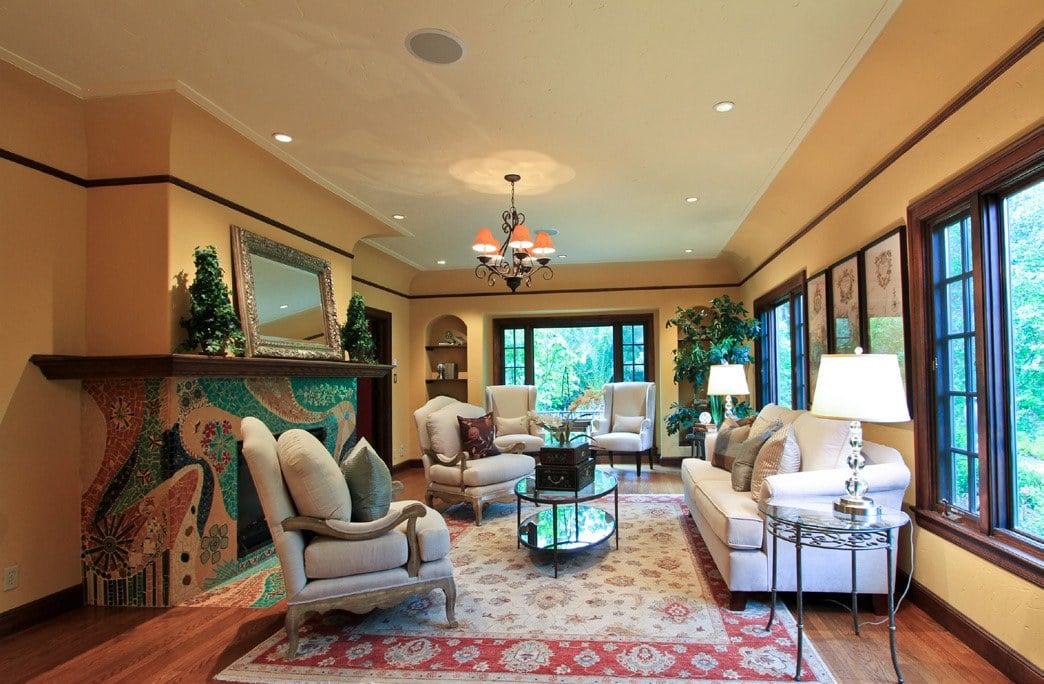
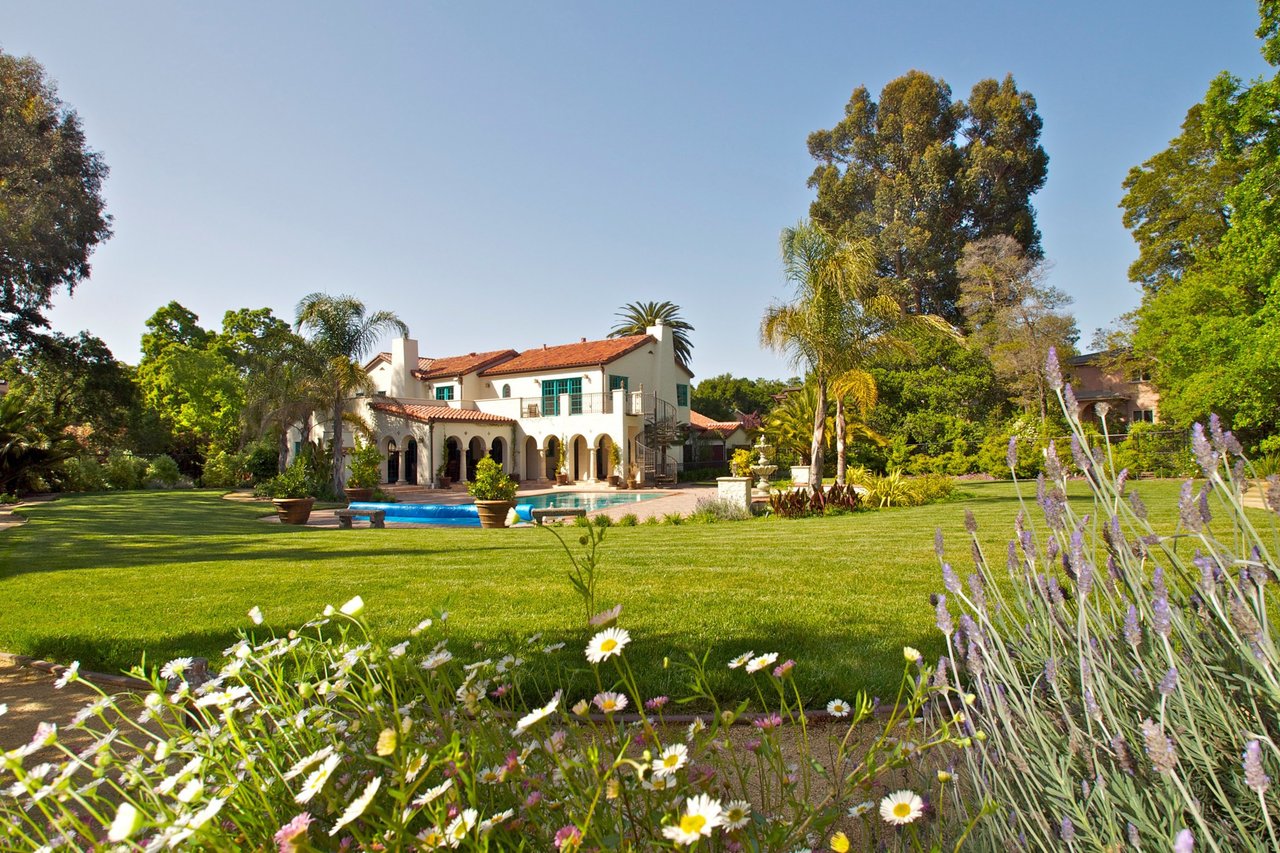
It was a dream house: a 1927 Spanish Colonial Revival designed by Birge Clark, impeccably restored and expanded, with a pool, a sauna and an elevator.
There was one catch. The house was on the Stanford campus, so only eligible Stanford buyers could purchase it. After nearly two years and three agents, the sellers, living on the East Coast, were starting to doubt it would ever sell. The house had sat empty for six months and had an abandoned air.
On campus, pricing is about people, not averages. As Chris put it: “I couldn't just run the numbers against some abstract population. I had to think about individuals. Who was being hired by the medical school, who was being hired by the law school, or joining the computer science department? Without those specifics, I couldn't really advise on the price.”
Chris took the time to understand the house: its history, its style and its renovations. He brought in stagers who understood the architecture, so the rooms finally showed the way they deserved to.
The sellers also had a clear wish. They had poured so much care into the house that they wanted it lived in, not turned into a museum.
Two months after the staging went in, the house was under contract.
The right buyers needed to sell their Palo Alto home first. That's a big contingency, but Chris structured the deal and the relationships so everyone could move forward with confidence. Because he understood both who was eligible to buy and what else was on the market, he priced it correctly and brought it home.